
led floor mirror
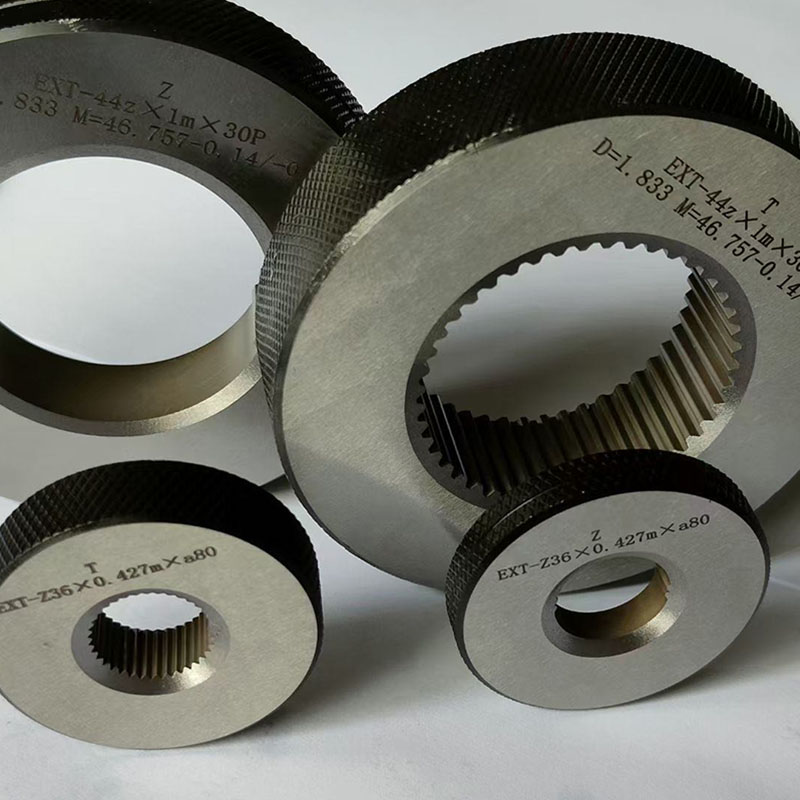
The Importance of Plain Ring Gages in Precision Measurement In the world of metrology and precision engineering, accuracy is paramount. One of the essential tools that facilitate this precision is the plain ring gage. Designed to verify the diametrical size of cylindrical objects, plain ring gages play an indispensable role in manufacturing and quality control processes across various industries, including aerospace, automotive, and machining. Understanding Plain Ring Gages A plain ring gage is a cylindrical tool that is used to check whether a workpiece falls within a specified range of diameters. Typically made from high-quality steel and hardened to ensure durability, these gages come in two primary types the go gage and the no-go gage. The go gage is used to verify that an object is within the acceptable size limits, while the no-go gage checks that the object does not exceed the maximum allowable diameter. This two-part system helps ensure that the components produced will fit correctly in assemblies and function as intended. The precision of these gages is crucial; they are often manufactured with tolerances of ±0.001 inches or finer, depending on the application. The surfaces of plain ring gages are polished to a high sheen, reducing the risk of wear and contamination. This attention to detail contributes to their effectiveness in ensuring dimensional accuracy. Applications in Industry Plain ring gages have a wide range of applications. In the aerospace industry, where even the slightest deviation in component dimensions can lead to catastrophic failures, the use of these gages is vital . Components like turbine blades, engine casings, and landing gear assemblies require stringent measurement practices, and plain ring gages are integral to those processes. plain ring gages In the automotive sector, where parts must fit together seamlessly to ensure safety and performance, these gages are used to check everything from engine components to suspension systems. Their role in the quality control process reduces the risk of defects, ultimately leading to enhanced safety and reliability in vehicles. Manufacturing environments also benefit significantly from the utilization of plain ring gages. They provide operators with a simple yet effective means of conducting measurements on numerous components, ranging from shafts and bushings to gears and bearings. This versatility makes them an essential tool in any precision machining shop. Advantages of Using Plain Ring Gages One of the primary advantages of plain ring gages is their simplicity. The gage requires no elaborate setup or calibration, making it easy to use in production environments. Operators can quickly verify dimensions, ensuring that processes remain efficient without sacrificing accuracy. Additionally, the durability of these gages contributes to their cost-effectiveness. With proper maintenance, a plain ring gage can last for years, providing reliable measurements throughout its lifespan. Compared to other measurement tools that require frequent calibration and replacement, plain ring gages offer a more sustainable solution for dimensional verification. Conclusion In summary, plain ring gages are crucial instruments for ensuring precision in manufacturing and quality control across various industries. Their simplicity, durability, and effectiveness make them a preferred choice for measuring cylindrical dimensions. As industries continue to push the boundaries of engineering and production tolerances, tools like plain ring gages will remain vital for maintaining the high standards of quality and safety that modern consumers expect. Whether in aerospace, automotive, or general manufacturing, the importance of plain ring gages cannot be overstated; they are an unsung hero of precision measurement, vital for the success of countless applications.
about
led floor mirror
The Parallel Ruler A Tool of Precise Measurement In the realm of drafting and design, precision is paramount. Among the various tools utilized by architects, engineers, and artists, the parallel ruler stands out as a device that significantly enhances the accuracy of line drawing and measurement. Unlike traditional straightedges that can only be used in a limited way, the parallel ruler offers a unique and efficient method for maintaining parallel lines while ensuring consistent measurements. The parallel ruler, often made of wood or metal, features two rulers connected by a set of moveable arms. This design allows users to draw or measure multiple parallel lines with ease. Whether it’s for creating technical drawings, maps, or intricate designs, the ability to maintain consistent spacing between lines is crucial. Using a parallel ruler, drafters can quickly execute complex designs without the need for tedious calculations or repetitive measurements. One of the most notable advantages of the parallel ruler is its capability to facilitate scaling. By aligning the ruler with a specific point and adjusting the movable arms, users can effectively create scale drawings. This is particularly useful in architectural design, where scale is crucial for ensuring that buildings fit within specified dimensions . Furthermore, the ability to draw scaled parallel lines simplifies the process of translating real-world measurements into a manageable blueprint. parallel ruler In addition to its practical uses, the parallel ruler is also appreciated for its educational value. In classrooms and workshops, it serves as an excellent introduction to the principles of geometry and engineering. Students learn not only about parallel lines and angles but also develop fine motor skills and a keen eye for detail. The tactile experience of manipulating the tool provides hands-on learning that is beneficial for grasping fundamental concepts in design. Moreover, the resurgence of analog tools in a digital age underscores the parallel ruler's significance. While software programs and digital drafting tools dominate the landscape, many professionals still value the simplicity and reliability that the parallel ruler offers. It allows for a direct connection to the work being created, embracing a more traditional approach that fosters creativity. In conclusion, the parallel ruler is more than just a simple tool; it represents a fusion of art and science. Its ability to provide precise measurements and maintain parallel lines has made it an indispensable asset across various fields. Whether used in practice or education, the parallel ruler remains a testament to the enduring importance of precision in design.
-

High quality industrial productsagement

High quality industrial products
View Details -

Meet the diverse needs of customers

Meet the diverse needs of customers
View Details -

Strict quality control

Strict quality control
View Details -

Top raw materials

Top raw materials
View Details -

Trusted supplier

Trusted supplier
View Details
Our application


news and information

Valvola di ritegno 6an per sistemi idraulici e pneumatici di alta qualità
Il settore industriale moderno richiede soluzioni efficienti per il controllo del flusso di fluidi,

Using stamped truss nails for plate connection.
The Significance of Stamping in Truss Nail Plate Technology In the realm of construction and woodwo

valve ng liquid transfer check
Liquid Transfer Check Valve Isang Mahalagang Komponent sa Fluid Handling Systems Sa mundo ng industr
 English